Reviewing Blueberry Delights Clipart for Embroidery
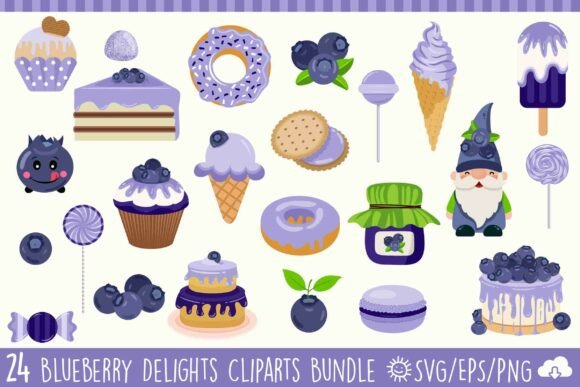
As a designer who spends half my life digitizing and the other half stitching, I have learned that not every cute graphic translates well to thread. When I first pulled up the Blueberry Delights Clipart Vector Bundle, my initial reaction was one of cautious optimism. The theme is undeniably charming—purple hues, organic shapes, and a whimsical vibe that screams summer freshness. But charm alone does not make a viable machine embroidery design. I needed to know if these vectors could withstand the mechanical reality of a needle hitting fabric at high speed.
This review is not just about aesthetics; it is about practical application for Etsy sellers, craft business owners, and hobbyists who want their handmade product lines to look professional. I evaluated this bundle with a specific project in mind: a custom embroidered tote bag intended for a local farmer’s market boutique. Here is how the design held up under scrutiny.
First Impressions and Visual Personality
The mood of this bundle is playful and sweet. The illustrations feature rounded, soft edges rather than sharp, aggressive angles, which is generally good news for embroidery. Sharp corners often require complex underlay stitches or risk pulling out on stretchy fabrics. The visual personality here leans toward the organic, mimicking the natural irregularity of real fruit. For a personalized gift or a small shop product, this approachability is a major asset. It feels friendly and inviting, which is exactly what you want when a customer is browsing your online store or craft fair table.
However, because this is sold as a vector clipart bundle within the broader category of Illustrations and Graphics, it is crucial to remember that these are not pre-digitized embroidery files. You will need to convert them or use them as a reference for manual digitizing. This gives you control, but it also places the responsibility of stitch planning squarely on your shoulders.
Real-World Application: The Tote Bag Test
I decided to test the largest blueberry cluster from the bundle on a heavy canvas tote. Canvas is forgiving, but it has a distinct weave that can interfere with small details. I digitized the design focusing on a mix of satin stitch for the outlines and a light fill stitch for the body of the berries. The result was surprisingly robust. The rounded shapes allowed for smooth satin columns that did not gap or pull excessively.
This type of design works exceptionally well for custom apparel like sweatshirts or t-shirts, provided you adjust the density. On a sweatshirt embroidery project, the plush texture of the fleece can hide minor imperfections, making the soft edges of the blueberries look even more integrated into the fabric. For baby embroidery, such as onesies or burp cloths, the lack of tiny, intricate internal details is a benefit. It means fewer stitch starts and stops, resulting in a softer feel against sensitive skin.
Navigating Fabric and Hoop Constraints
While the design is versatile, it is not without its limitations. If you are planning to use this on dark fabric, you must be strategic with your thread colors. The purple tones need high contrast to pop. A deep navy thread on black fabric will vanish. I recommend testing a lighter lavender or even a contrasting white for highlights to ensure the shape remains visible. Always check your design in a black-and-white mockup before stitching to verify that the silhouette holds up without color reliance.
Hoop size is another critical factor. Some of the smaller individual elements in the bundle might get lost if you try to shrink them too much for a cap or a small embroidered patch. When working on curved surfaces like hats, the distortion can warp the roundness of the berries. I advise keeping the design elements above one inch in height to maintain clarity. For textured fabrics like terry cloth towels, you may need to increase the stitch density slightly or use a topping stabilizer to prevent the stitches from sinking into the pile.
Commercial Viability and Brand Consistency
For commercial embroidery projects, consistency is key. Using a cohesive set like the Blueberry Delights Clipart Vector Bundle helps build brand recognition. If you are selling a line of kitchen goods, using these graphics on aprons and tea towels creates a unified look that customers trust. It signals that you have a curated aesthetic rather than a random assortment of designs.
From a buyer engagement perspective, these graphics lend themselves well to printable mockup creation. Before you even stitch a single thread, you can place these vectors on digital photos of blanks to gauge interest. This saves time and materials. However, always confirm the licensing terms. Just because you bought the vector bundle does not automatically grant you the right to sell the digital design assets themselves. You are typically licensed to sell the finished product, such as the stitched shirt or bag, but reselling the file is usually prohibited. Check the specific license included with your purchase to avoid legal issues.
Practical Designer Notes for Success
To get the best results from this bundle, follow these practical steps:
- Test on scrap fabric first: Never run a new digitization on your final garment. Use a similar weight and weave to check for puckering.
- Check stitch density: Vectors do not have density settings. You must decide whether to use a sparse fill for a vintage look or a dense fill for coverage. Too dense, and you risk perforating the fabric.
- Use proper stabilizer: For stretchy fabrics like jersey tees, a cut-away stabilizer is non-negotiable to prevent distortion after washing.
- Inspect small details: If the vector includes tiny leaves or stems, consider simplifying them into single running stitch lines rather than trying to satin stitch them, which can cause thread breaks.
- Contrast is king: Ensure your thread choice contrasts sufficiently with the fabric background, especially for holiday embroidery gifts where lighting might be dim.
Final Verdict
The Blueberry Delights Clipart Vector Bundle is a strong contender for designers who prefer to handle their own digitizing. It offers a flexible, cheerful aesthetic that translates well to a variety of embroidery project types, from tote bag design to nursery decor. It is not a plug-and-play solution, but for those with the skills to convert vectors into stitch files, it provides a solid foundation for creating high-value, attractive goods. Whether you are an experienced Etsy seller looking to expand your summer collection or a hobbyist making holiday gifts, this bundle offers the visual appeal needed to stand out, provided you respect the technical constraints of the embroidery machine.