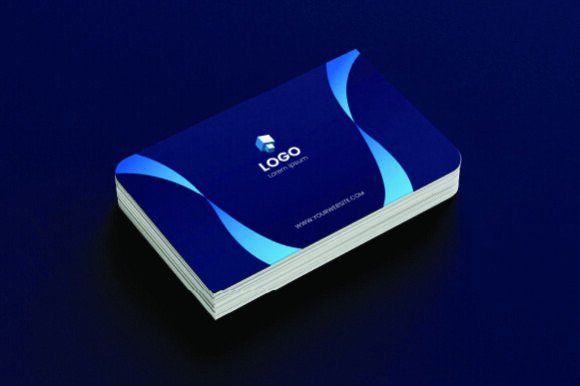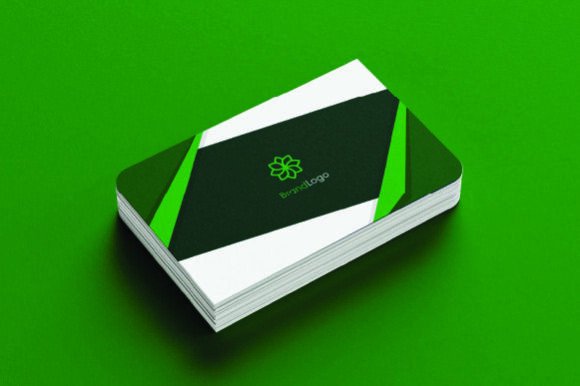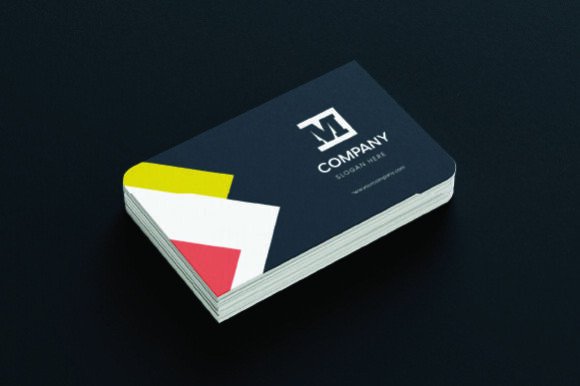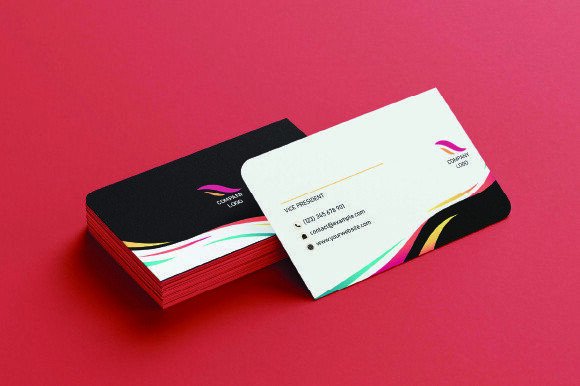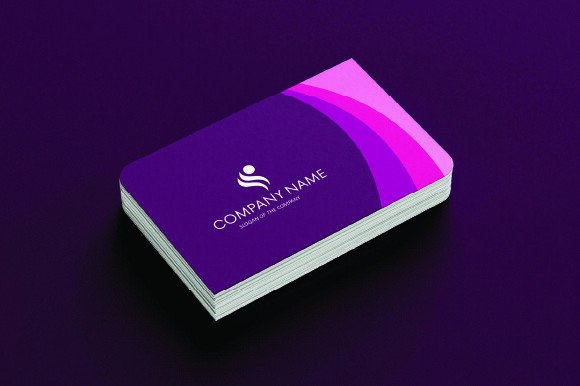
Business Card Sale Template: Graphics for Business Cards
When a local boutique owner approached me last month to refresh their visual identity, the brief was clear but challenging. They needed a cohesive look that bridged the gap between their handmade ethos and a polished retail presence. The centerpiece of this rebrand was not just a logo, but a comprehensive suite of marketing visuals that would live both online and in physical spaces. As part of this overhaul, I evaluated several assets to streamline our workflow, and the Business Card Sale Template caught my eye immediately. This review breaks down how this specific graphic design asset performs in a real-world client project, moving beyond simple aesthetics to practical application.
First Impressions and Visual Mood
The initial download of the Business Card Sale Template reveals a thoughtful structure. Upon extracting the ZIP file, you are greeted with a versatile array of formats: one AI file, one EPS file, one PSD file, and one JPG file. For a professional designer, this variety is crucial. The inclusion of vector files like SVG and EPS means the artwork is infinitely scalable without losing quality, which is non-negotiable for high-end packaging design or large-format prints. The mood of the template is clean yet inviting, striking a balance that suits modern small business branding. It does not scream for attention but rather supports the brand message with subtle elegance.
What stands out is the potential for customization. While many digital products offer rigid structures, this template allows for significant manipulation within Adobe Illustrator or Photoshop. The layers are logically organized, saving hours of tedious cleanup. For designers working on tight deadlines, such as those creating last-minute social media graphics or urgent Etsy product launches, this efficiency is invaluable.
Versatility Across Design Mediums
A true test of any creative design asset is its adaptability. I tested the Business Card Sale Template across multiple mediums to see if it could hold its own. In the context of logo design and brand identity, the core elements of the template provided a strong foundation. By adjusting the color palette to match the client’s existing scheme, the asset transformed from a generic template into a bespoke component of their visual language.
Beyond static print, the template excels in digital applications. I used the high-resolution JPG and PNG versions for web design elements and Pinterest pins. The clarity remained sharp even when compressed for faster loading times. For clients involved in print-on-demand ventures, such as t-shirt design or mug customization, the vector files allowed for seamless integration into sublimation workflows. The absence of watermarks in the downloaded clipart ensures that the final product mockup looks professional and ready for commercial presentation.
Furthermore, for crafters and Cricut users, the SVG format is a game-changer. It allows for precise cutting paths, making the template suitable for sticker design, custom labels, and even intricate printable wall art. This cross-platform utility makes it a valuable addition to any designer’s library of design assets.
Strategic Placement and Visual Hierarchy
Understanding where to place this asset is key to maintaining visual hierarchy. The Business Card Sale Template works best in areas that require immediate visual impact but do not demand complex informational density. It shines in hero graphics for landing pages, decorative accents on packaging design, and as a focal point in editorial design layouts. When used as a supporting element in Canva templates, it adds a layer of sophistication that elevates the overall perceived value of the commercial design.
However, caution is advised in crowded layouts. Because the design has a distinct character, placing it against busy backgrounds can reduce its effectiveness. I found that it performs poorly in minimalist corporate materials where clean, stark lines are preferred. Similarly, in very small sizes, such as favicon icons or tiny footer text, the details may get lost. It is essential to maintain sufficient white space around the asset to let it breathe and ensure brand consistency.
Impact on Readability and Brand Trust
A common concern with decorative illustrations is their effect on readability. In my testing, the Business Card Sale Template did not interfere with text legibility when used correctly. By keeping the graphic element separate from body copy, we maintained a clear reading path. This separation enhances professionalism and builds visual trust with the audience. Customers are more likely to engage with a brand that presents a cohesive and polished image, and this asset contributes significantly to that emotional appeal.
For handmade businesses, the organic feel of the design resonates well with audiences seeking authenticity. It helps bridge the gap between artisanal charm and commercial viability, a critical factor for success in the creative marketplace.
Practical Designer Notes and Technical Checks
Before deploying any graphic design asset in a client project, rigorous testing is mandatory. Here are my practical notes for using the Business Card Sale Template:
- Contrast Testing: Always preview the design on both light and dark backgrounds. Ensure there is enough contrast to maintain visibility.
- Black and White Test: Convert the design to grayscale to check if the form holds up without color. This is crucial for single-color printing methods often used in sublimation design.
- File Format Inspection: Verify the integrity of the SVG and EPS files. Open them in different vector software to ensure nodes are clean and editable.
- Font Pairing: Experiment with pairing the graphic with various typefaces. It complements serif fonts for a classic look, sans serif fonts for modernity, and script fonts for a personal touch. Avoid overly decorative display fonts that might clash with the template’s style.
- Licensing Verification: Always confirm the commercial license terms before using the asset for client work or selling printable designs. Ensure your usage aligns with the provider’s guidelines to avoid legal issues.
- Print Proofing: If using for physical Business Cards or labels, always run a test print. Check for color accuracy and edge sharpness.
In conclusion, the Business Card Sale Template is a robust tool for designers looking to enhance their design bundle offerings. It offers the flexibility needed for diverse projects, from Instagram posts to large-scale marketing visuals. By understanding its strengths and limitations, designers can leverage this asset to create compelling, professional, and engaging Graphics that resonate with target audiences and elevate Business Cards and other brand materials to a higher standard.